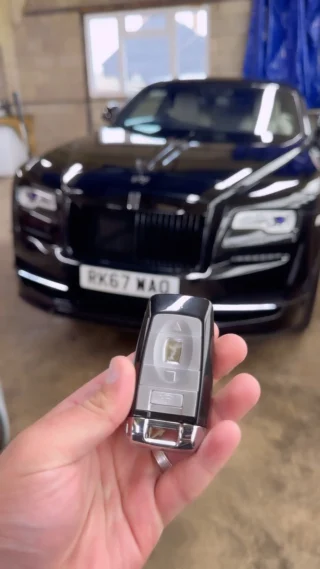
The Most Inspirational Sources Of Smart Key Repair
Smart Key Repair: Understanding the Technology and Solutions
In today's hectic digital world, smart keys have become a necessary function in a lot of modern lorries. Unlike conventional keys, smart keys supply motorists with improved security and benefit, enabling for keyless entry and starting of the vehicle. However, like any technological improvement, smart keys are not unsusceptible to issues. Understanding how smart keys work, typical concerns that occur, and choices readily available for repair can empower vehicle owners to make informed choices concerning their smart key systems.
What is a Smart Key?
Smart keys, also known as key fobs or distance keys, are electronic devices that allow the user to unlock and start their vehicle without physically placing a key into the lock or ignition. Rather, the vehicle finds the proximity of the key and carries out the essential functions immediately.
Key Components of a Smart Key:
- Transmitter: Sends radio signals to the vehicle.
- Receiver: Located within the vehicle; finds the signal from the transmitter.
- Battery: Powers the smart key and its functions.
- Microchip: Encodes the frequency and other data required for performance.
Advantages of Smart Keys:
- Convenience: Unlocks doors, begins the ignition, and can even stop the engine without key insertion.
- Security: Incorporates sophisticated encryption innovation to prevent unauthorized gain access to.
- Customizable Functions: Many smart keys permit users to customize settings for various drivers.
Common Problems with Smart Keys
While smart keys improve security and user experience, they can likewise encounter issues that require repair. Here are a few of the most typical problems connected with smart keys:
Problem
Description
Dead Battery
The most typical issue; a dead battery renders the key inoperable.
Signal Interference
Interference from other electronic gadgets can disrupt the signal.
Physical Damage
Dropping or direct exposure to water can harm key elements.
Programming Errors
Misconfiguration can cause the key to end up being unresponsive.
Used Contacts
Internal components can use out with heavy use.
Dead Battery: Signs and Solutions
Amongst these problems, a dead battery is the easiest to fix. Indications that the battery might be dead consist of:
- Difficulty unlocking doors from another location.
- Failure to begin the vehicle.
- Slow action time from the key fob.
How to Replace the Battery of a Smart Key:
- Identify Battery Type: Look for the battery type in the owner's manual or on the battery itself.
- Open the Key Fob: Use a little screwdriver to separate the two halves of the fob thoroughly.
- Replace the Battery: Remove the old battery and change it with a new one, ensuring correct polarity.
- Reassemble the Key: Snap the two halves back together.
Signal Interference: Identifying the Cause
Signal disturbance can be a substantial problem, specifically in metropolitan environments where lots of electronic devices are present. To determine if your smart key is affected:
- Move far from potential sources of disturbance (e.g., radio towers, electronic shops).
- Check the key in an open space.
If the problem continues, consider consulting an expert.
Physical Damage: Prevention Tips
Preventing physical damage to your smart key is important. Here are some ideas to preserve your key's stability:
- Use a Keychain: Attach the smart key to a keychain to prevent dropping.
- Avoid Water: Keep your type in a dry location and avoid exposure to rain or liquid.
- Shop Safely: Use a protective case when not in usage.
Programming Errors: Fixing the Issue
Sometimes, the key might require to be reprogrammed. This can occur after replacing the battery or if the vehicle's system has been reset. To reprogram a smart key:
- Refer to the Manual: Locate programming guidelines particular to your vehicle design.
- Use the Ignition: Usually, the vehicle must be on; follow the series laid out in the manual.
- At the same time press buttons: You might require to press particular buttons on the key.
If the issue persists, calling a professional locksmith or the dealer is suggested.
Fixing vs. Replacing a Smart Key
When faced with a malfunctioning smart key, vehicle owners frequently come to grips with the choice to repair or replace. Here's a breakdown:
When to Repair:
- Battery Replacement: If the problem is simply a dead battery.
- Minor Physical Damage: If the key can be quickly fixed or straightened.
- Reprogramming: If errors can be fixed by following the user handbook.
When to Replace:
- Severe Damage: If the fob is broken beyond easy repair.
- Cost-efficient: Sometimes, a brand-new key may cost less than comprehensive repairs, specifically if more than one part is harmed.
- Obsolete Technology: If the vehicle is really old and the key innovation is outdated, changing it may use better functionality.
Regularly Asked Questions (FAQs)
1. How long does a smart key battery last?
The battery normally lasts between 1 to 3 years, depending on use and ecological aspects.
2. Can I set my smart key myself?
In the majority of cases, you can set your smart key by following the owner's manual directions. Nevertheless, advanced duplicate car keys may need expert assistance.
3. What should I do if my smart key is lost?
If your smart key is lost, instantly inform your dealer or locksmith. They can assist you with a replacement or reprogramming services.
4. Are smart keys universal?
No, smart keys are usually configured specifically for individual vehicle models and makers, which suggests a key from one brand name frequently won't deal with another.
5. How can I prevent my smart key from malfunctioning?
To avoid breakdown, prevent exposing the key to severe temperature levels, wetness, and physical damage, and change the battery routinely.
Smart key systems simplify vehicle access and boost security but included their own set of difficulties. Understanding typical concerns and repair options can assist vehicle owners keep functionality and extend the life of their smart keys. With suitable care, users can take pleasure in the full benefits of this advanced technology for many years to come.